


Lowering springs are one of the most popular suspension upgrades for drivers looking to improve both the appearance and handling of their car. By reducing ride height and lowering the vehicle’s centre of gravity, performance lowering springs can help create a sharper, more responsive driving experience while giving your car a more purposeful stance.
Whether you want a subtle 20mm drop or a more aggressive 40mm setup, choosing the right lowering spring kit is essential for maintaining good ride quality, suspension performance and everyday usability.
Explore Direnza’s range of lowering springs and find a vehicle-specific suspension upgrade for your car.

What Are Lowering Springs?
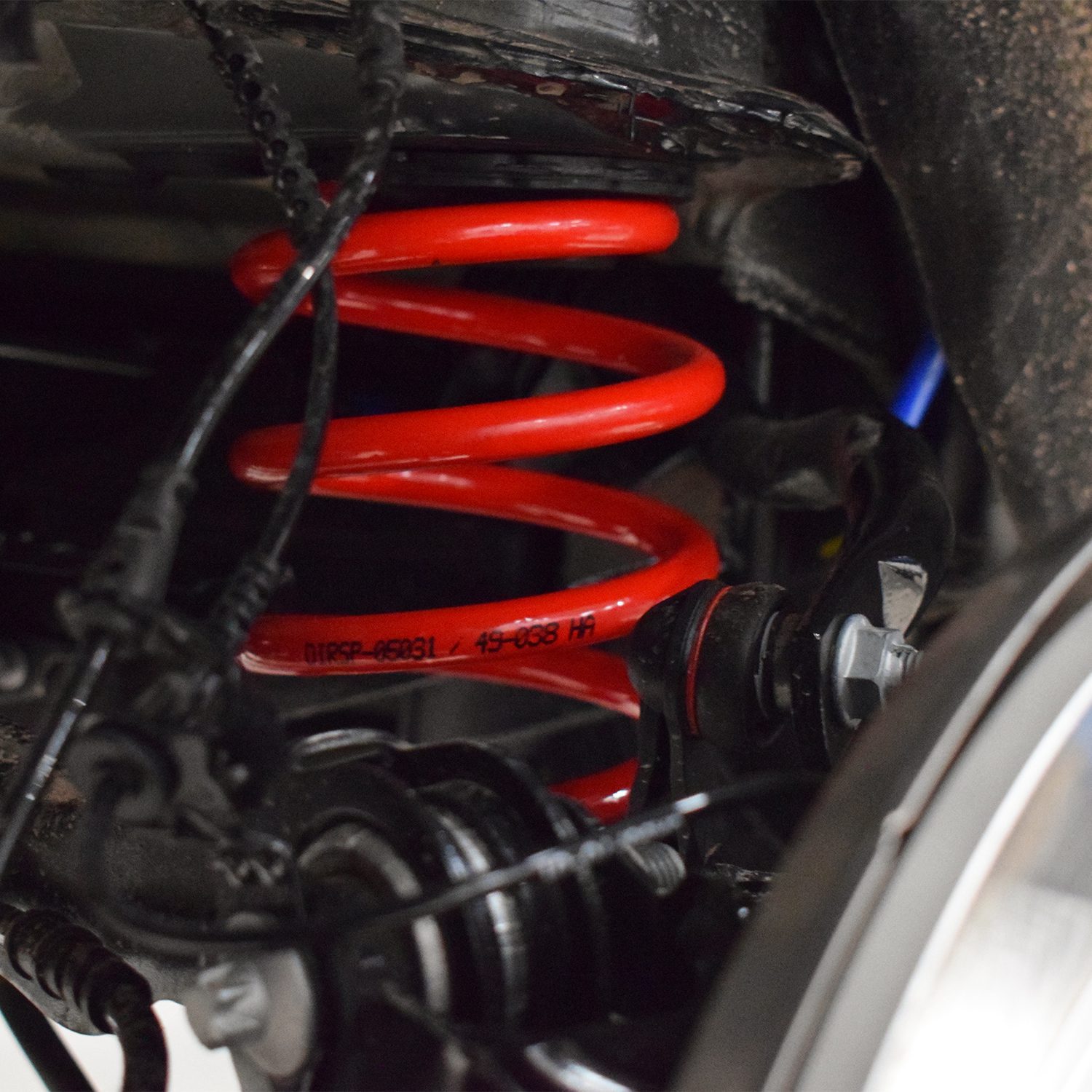
Lowering springs replace your vehicle’s standard suspension springs with shorter, performance-focused alternatives.
Their main purpose is to reduce the distance between the body of the car and the road. Depending on the spring kit and vehicle, the drop can typically range from relatively subtle reductions to considerably lower performance setups.
Lowering the car changes both its appearance and suspension characteristics, which is why lowering springs are popular with drivers interested in improved handling as well as styling.
What Are the Benefits of Lowering Springs?
A good set of car lowering springs can improve several areas of the driving experience.
Improved Handling
Lowering a vehicle reduces its centre of gravity. This can help reduce body movement during cornering and make the car feel more controlled when changing direction.
Reduced Body Roll
Performance lowering springs are often firmer than standard springs, helping reduce excessive body roll through corners. This can give the driver more confidence during enthusiastic road driving.
Improved Vehicle Stance
Many standard cars leave the factory with a noticeable gap between the tyres and wheel arches. Lowering springs reduce this gap, creating a lower and more aggressive appearance without necessarily requiring a complete suspension replacement.
More Responsive Driving
A firmer and lower suspension setup can provide more immediate feedback through corners, making the car feel sharper and more connected to the road.
20mm vs 30mm vs 40mm Lowering Springs
Choosing the right ride-height reduction depends on how you use your vehicle.
A drop of around 20mm can provide a subtle improvement in stance while retaining characteristics close to the original suspension.
A 30mm lowering spring setup offers a more noticeable reduction and is a popular balance between appearance, handling and everyday practicality.
Lowering the vehicle by approximately 40mm or more creates a more aggressive stance but requires greater consideration of ground clearance, wheel fitment and suspension geometry.
Drivers using their car regularly on UK roads may prefer a moderate drop that maintains sufficient clearance for speed bumps, uneven surfaces and steep entrances.
Do Lowering Springs Affect Ride Quality?
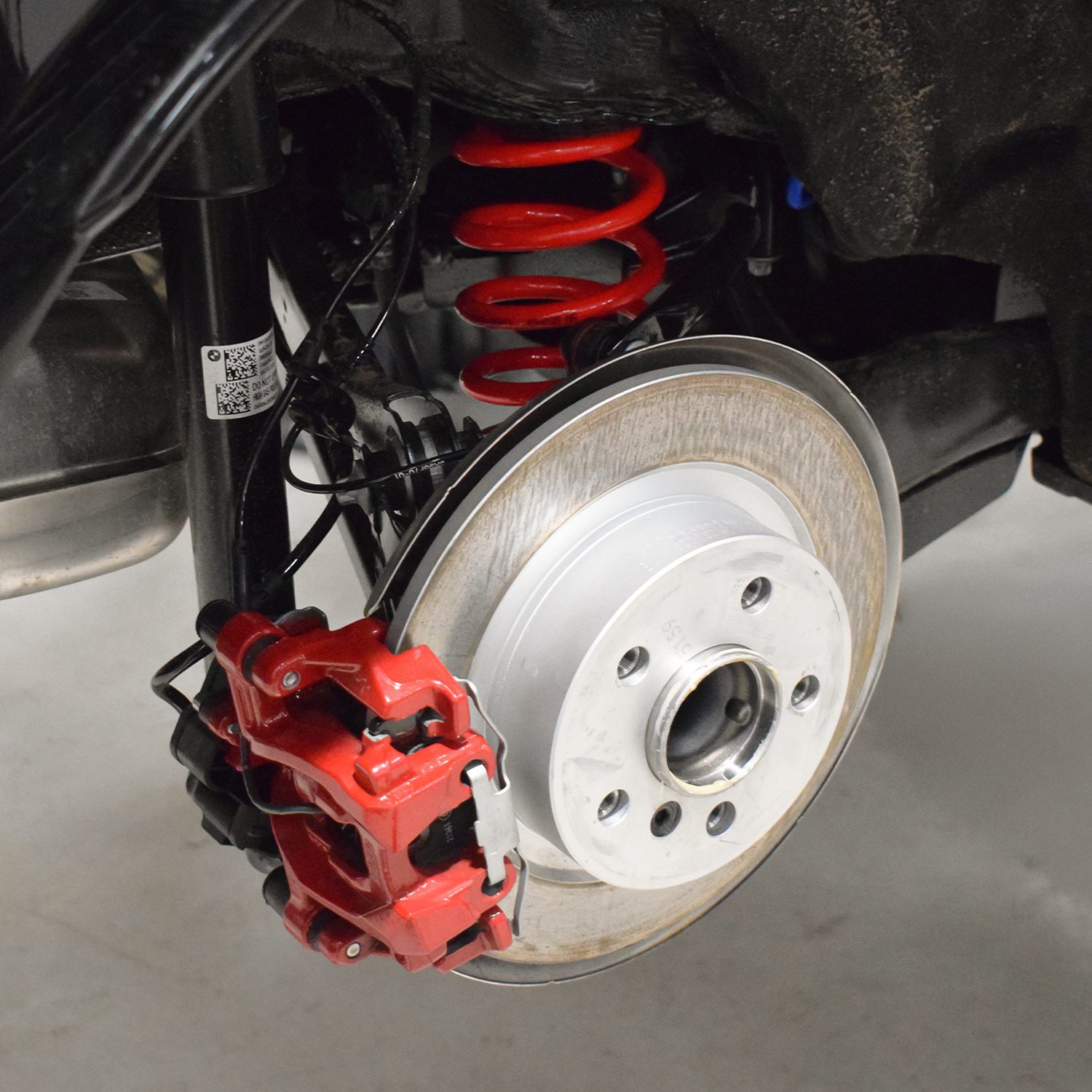
Lowering springs can make the suspension feel firmer because performance springs typically use different spring rates from factory components.
How noticeable this feels depends on the vehicle, spring design, drop height and condition of the existing dampers. A carefully selected lowering spring kit should improve suspension control without making the car unnecessarily uncomfortable for normal road use.
Do You Need New Dampers with Lowering Springs?
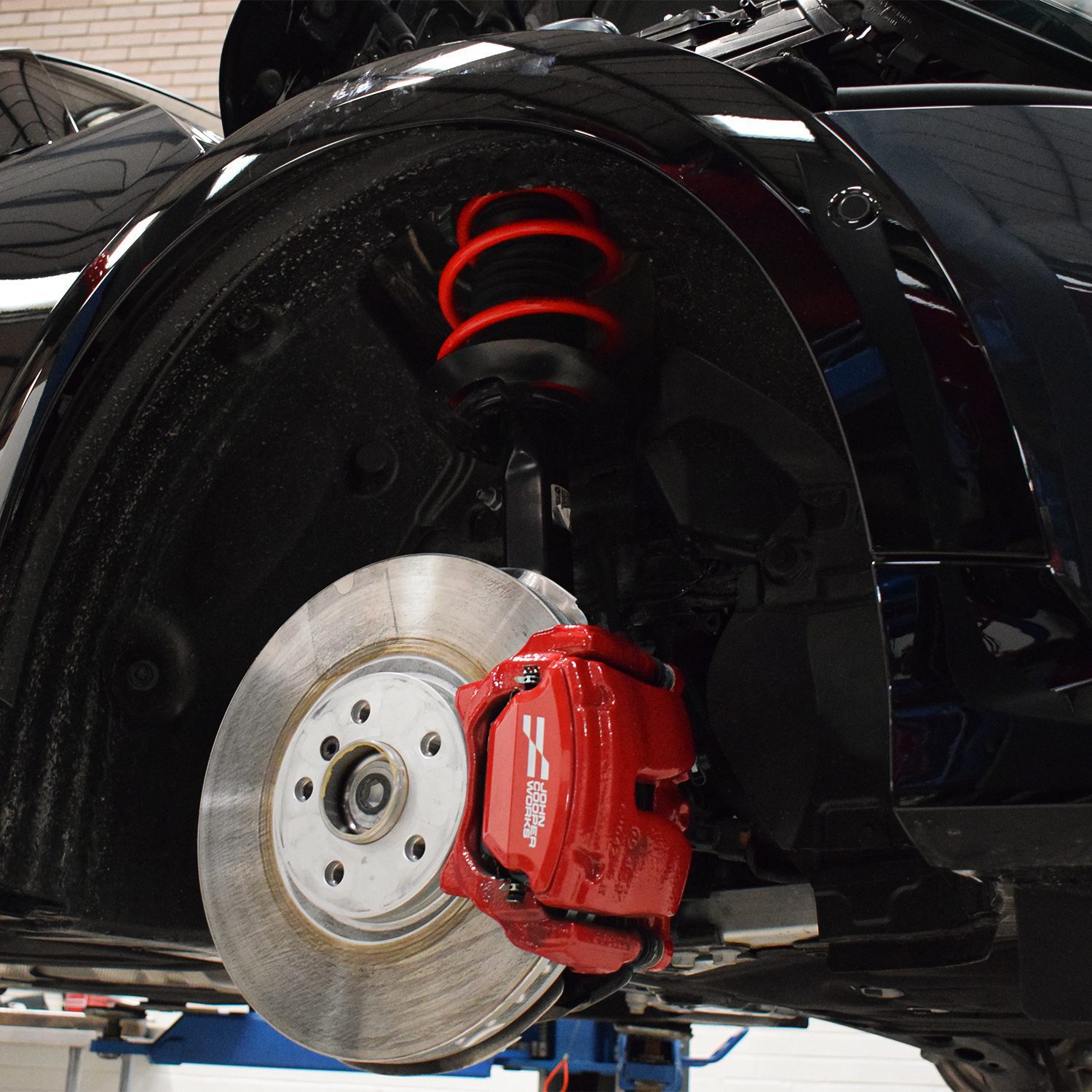
Not always. Moderate lowering springs can often be used with standard dampers when those dampers are in good condition and the spring manufacturer specifies compatibility.
However, heavily lowered vehicles or cars with older suspension components may benefit from upgraded dampers designed to work with shorter springs.
Checking the condition of the complete suspension system before fitting lowering springs is always worthwhile.
Do You Need Wheel Alignment After Fitting Lowering Springs?
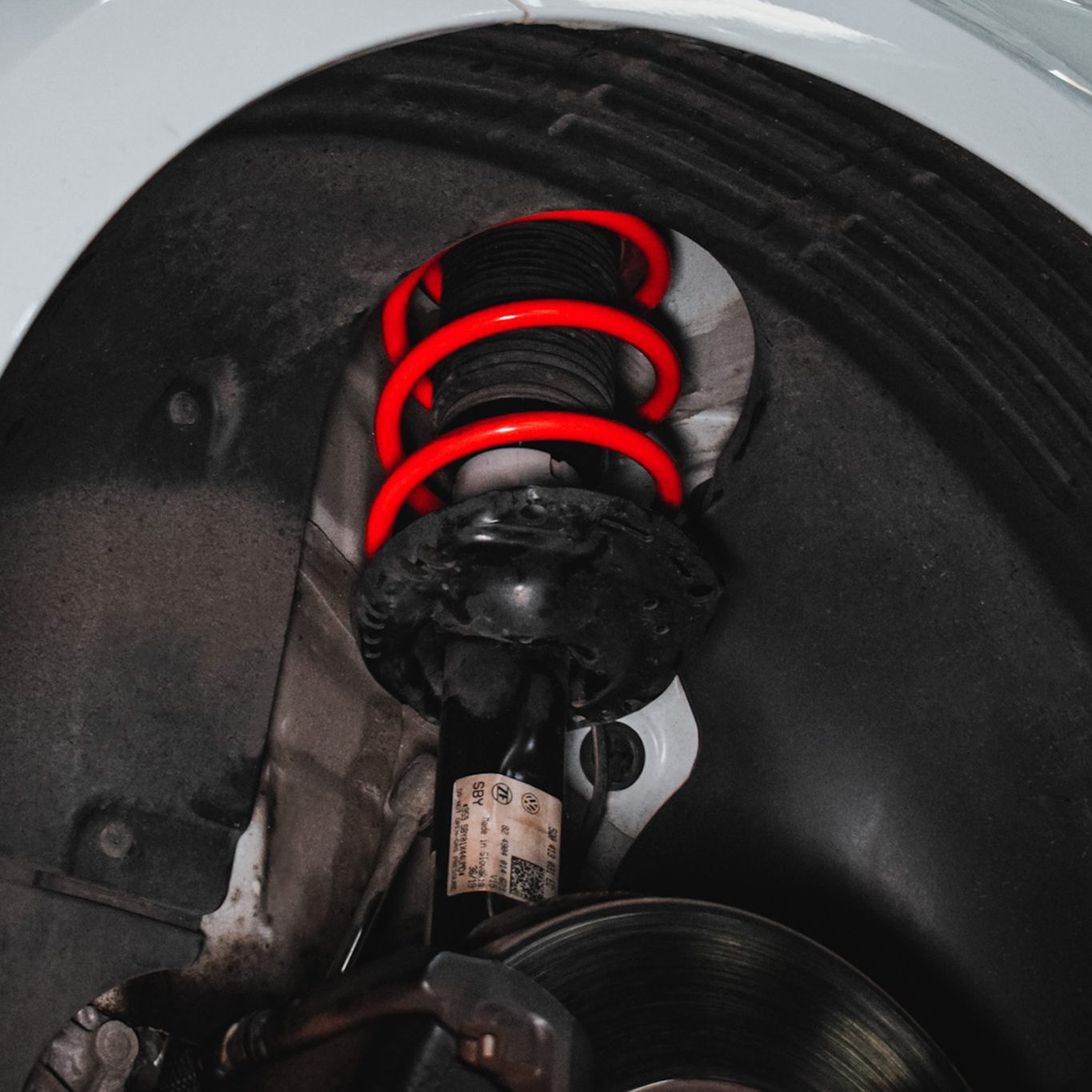
Yes, having the wheel alignment checked after changing ride height is recommended.
Lowering a vehicle can affect suspension geometry, including camber and toe settings. Incorrect alignment can cause uneven tyre wear and negatively affect handling.
After the new springs have settled, a professional wheel alignment helps ensure the vehicle performs as intended.

Lowering Springs and Wheel Spacers
Lowering springs are frequently combined with wheel spacers to create a wider, more purposeful stance.
Spacers can move the wheels further towards the edge of the arches, while lowering springs reduce the vertical wheel gap.
However, correct fitment is important. Wheel width, tyre size, offset, lowering amount and arch clearance should all be considered before combining suspension and wheel modifications.

How to Choose the Right Lowering Springs
Always choose lowering springs designed specifically for your vehicle.
Consider:
- Vehicle make, model and generation
- Engine and axle weight
- Desired lowering amount
- Everyday road clearance
- Wheel and tyre fitment
- Condition of existing dampers
- Intended road or performance use
Vehicle-specific springs are engineered around the weight and suspension characteristics of the intended model, helping provide predictable handling and correct fitment.
You can also explore Direnza’s wider range of performance parts when planning additional handling, cooling or engine upgrades.
Upgrade Your Car with Direnza Lowering Springs
Lowering springs offer an effective way to improve handling, reduce body roll and transform the stance of your vehicle without replacing the entire suspension system.
Choosing the right drop height and vehicle-specific spring kit is key to maintaining the balance between performance, appearance and everyday usability.
Browse Direnza’s range of lowering springs today and find the right suspension upgrade for your car.